
NEWS CENTER
How to Test Your Walbro Carburetor Solenoid Effectively: A Comprehensive Guide
Release Time:
Apr 25,2026
How to Test Your Walbro Carburetor Solenoid Effectively Table of Contents 1. Introduction to Walbro Carburetor Solenoids 2. Understanding the Function of a Carburetor Solenoid 3. Tools Needed for Testing Your Walbro Carburetor Solenoid 4. Step-by-Step Testing Guide 4.1 Preparation Before Testing 4.2 Testing Procedure 5. Common Iss
How to Test Your Walbro Carburetor Solenoid Effectively
Table of Contents
- 1. Introduction to Walbro Carburetor Solenoids
- 2. Understanding the Function of a Carburetor Solenoid
- 3. Tools Needed for Testing Your Walbro Carburetor Solenoid
- 4. Step-by-Step Testing Guide
- 5. Common Issues with Walbro Carburetor Solenoids
- 6. Troubleshooting Tips for Solenoid Problems
- 7. Maintenance Tips for Longevity
- 8. Conclusion
- 9. FAQs about Walbro Carburetor Solenoids
1. Introduction to Walbro Carburetor Solenoids
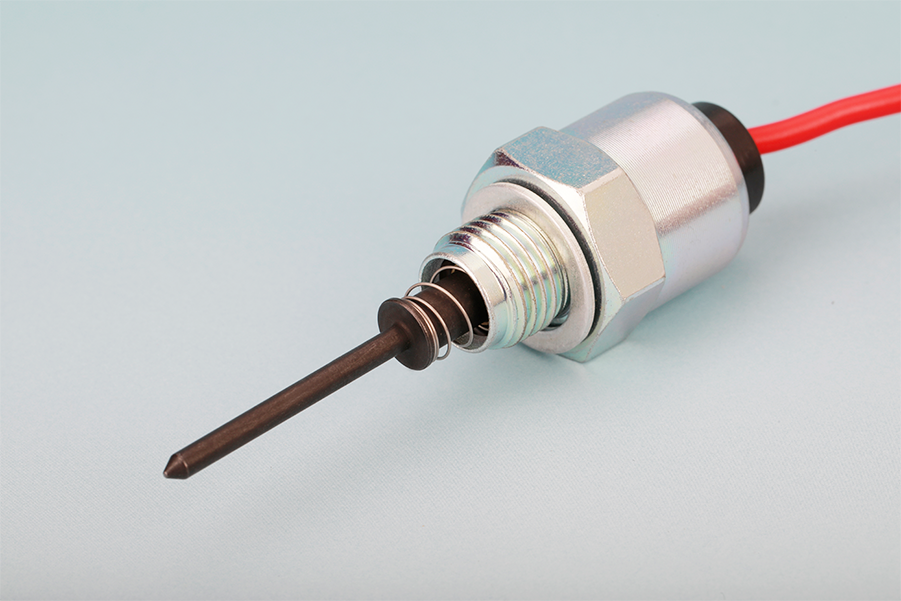
Walbro carburetor solenoids are crucial components in various internal combustion engines, often found in lawn equipment, motorcycles, and automotive applications. These solenoids control the flow of fuel within the carburetor, ensuring that the engine receives the right amount of fuel for optimal combustion. Proper maintenance and testing of these solenoids are essential for ensuring performance and efficiency.
2. Understanding the Function of a Carburetor Solenoid
The primary function of a carburetor solenoid is to regulate the fuel flow to the engine. When the engine requires fuel, the solenoid activates, allowing fuel to travel from the tank to the carburetor. If the solenoid is malfunctioning, it can lead to issues like poor engine performance, stalling, or failure to start. Understanding how your Walbro carburetor solenoid works plays a significant role in effectively testing it.
3. Tools Needed for Testing Your Walbro Carburetor Solenoid
Before diving into the testing process, it’s essential to gather the necessary tools:
- **Multimeter**: This tool measures voltage, current, and resistance.
- **Screwdriver Set**: A set of screwdrivers for removing the solenoid.
- **Wrench Set**: For loosening and tightening connections.
- **Fuel Line Wrench**: Useful for disconnecting fuel lines.
- **Safety Goggles**: To protect your eyes from any fuel spray.
- **Work Gloves**: To ensure safe handling of components.
Having these tools ready will streamline the testing process and help prevent any mishaps.
4. Step-by-Step Testing Guide
This section will provide a detailed approach to testing your Walbro carburetor solenoid effectively.
4.1 Preparation Before Testing
Before initiating the test, follow these steps to prepare:
1. **Ensure Safety**: Work in a well-ventilated area. Turn off the engine and allow it to cool down completely.
2. **Disconnect Battery**: Disconnect the battery to prevent any accidental short circuits.
3. **Remove the Solenoid**: Use your tools to carefully detach the solenoid from the carburetor.
4.2 Testing Procedure
Once you have prepared the solenoid for testing, follow these steps:
1. **Visual Inspection**: Inspect the solenoid for any signs of damage, corrosion, or wear. Ensure that all electrical connections are clean and tight.
2. **Set the Multimeter**: Turn on your multimeter and set it to measure resistance (ohms).
3. **Connect the Multimeter Leads**: Attach the multimeter leads to the terminals of the solenoid. Note the readings:
- A normal reading usually ranges between 10-30 ohms.
- If the reading shows infinite resistance, the solenoid is likely faulty.
4. **Test for Voltage**: Reconnect the solenoid temporarily, reconnect the battery, and turn the ignition on (without starting the engine):
- Measure the voltage across the solenoid terminals.
- You should see a voltage reading between 12-14 volts.
- A reading lower than this could indicate wiring issues or a faulty ignition system.
5. **Functional Test**: If possible, reconnect the solenoid to the fuel system, start the engine, and observe its operation. Listen for a clicking sound, which indicates it's functioning correctly.
5. Common Issues with Walbro Carburetor Solenoids
Several problems may arise with Walbro carburetor solenoids:
- **Electrical Faults**: Wiring issues or short circuits that prevent the solenoid from receiving power.
- **Clogging**: Debris or dirt buildup can hinder fuel flow, affecting the solenoid's operation.
- **Mechanical Failure**: The solenoid may experience wear and tear over time, leading to complete failure.
Understanding these common issues can help you address them quickly and effectively.
6. Troubleshooting Tips for Solenoid Problems
If you encounter issues during testing, consider the following troubleshooting tips:
- **Check the Battery**: Ensure your battery is fully charged and functioning properly, as this can affect solenoid performance.
- **Inspect Wiring Connections**: Look for frayed or damaged wires that may interrupt the electrical supply to the solenoid.
- **Clean Fuel Lines**: Regularly clean and maintain fuel lines to prevent clogging and ensure the solenoid operates smoothly.
- **Replace if Necessary**: If testing reveals significant issues, replacing the solenoid may be the most practical solution.
7. Maintenance Tips for Longevity
To prolong the life of your Walbro carburetor solenoid, implement the following maintenance practices:
- **Regular Inspections**: Conduct periodic checks of the solenoid and surrounding components to catch any problems early.
- **Clean Fuel System**: Regularly clean the fuel system, including the fuel lines and filters, to prevent debris from entering the carburetor.
- **Use Quality Fuel**: Always use high-quality fuel to minimize build-up and maintain the efficiency of your carburetor system.
8. Conclusion
Testing your Walbro carburetor solenoid is an essential task for anyone looking to maintain optimal engine performance. By following the outlined steps and understanding common issues, you can ensure that your carburetor system operates efficiently. Regular maintenance and prompt troubleshooting can save you time and money while enhancing the longevity of your equipment.
9. FAQs about Walbro Carburetor Solenoids
1. How often should I test my Walbro carburetor solenoid?
It is recommended to test your solenoid at least once a season or whenever you notice performance issues with your engine.
2. Can I clean my Walbro carburetor solenoid?
While you can clean the solenoid's exterior, it’s best to replace it if you suspect internal clogging or malfunction.
3. What signs indicate a faulty carburetor solenoid?
Common signs include engine stalling, difficulty starting, or poor acceleration.
4. Is it difficult to replace a Walbro carburetor solenoid?
Replacing the solenoid is straightforward and can be done with basic tools and skills.
5. Can a faulty solenoid affect fuel efficiency?
Yes, a malfunctioning solenoid can lead to improper fuel flow, negatively impacting fuel efficiency and engine performance.
By adhering to the guidelines provided in this article, you can effectively test and maintain your Walbro carburetor solenoid, ensuring your engine runs smoothly and efficiently.