
NEWS CENTER
How to Test Your Lawn Mower Carburetor Solenoid Effectively: A Comprehensive Guide
Release Time:
Apr 19,2026
How to Test Your Lawn Mower Carburetor Solenoid Effectively Keeping your lawn mower in optimal working condition is essential for a well-manicured lawn. One critical component that often requires attention is the carburetor solenoid. This article aims to guide you through the process of testing your lawn mower carburetor solenoid effectively. We'll cover everything from understanding its function
How to Test Your Lawn Mower Carburetor Solenoid Effectively
Keeping your lawn mower in optimal working condition is essential for a well-manicured lawn. One critical component that often requires attention is the carburetor solenoid. This article aims to guide you through the process of testing your lawn mower carburetor solenoid effectively. We'll cover everything from understanding its function to performing the test, troubleshooting common issues, and maintaining your equipment. By the end, you’ll be equipped with the knowledge to ensure your mower runs smoothly.
Table of Contents
- 1. Understanding the Carburetor Solenoid
- 2. Signs of a Faulty Carburetor Solenoid
- 3. Necessary Tools and Equipment for Testing
- 4. Step-by-Step Guide to Testing Your Carburetor Solenoid
- 5. Common Issues and Troubleshooting
- 6. Maintaining Your Carburetor Solenoid
- 7. When to Consult a Professional
- 8. Conclusion
- 9. FAQs
1. Understanding the Carburetor Solenoid
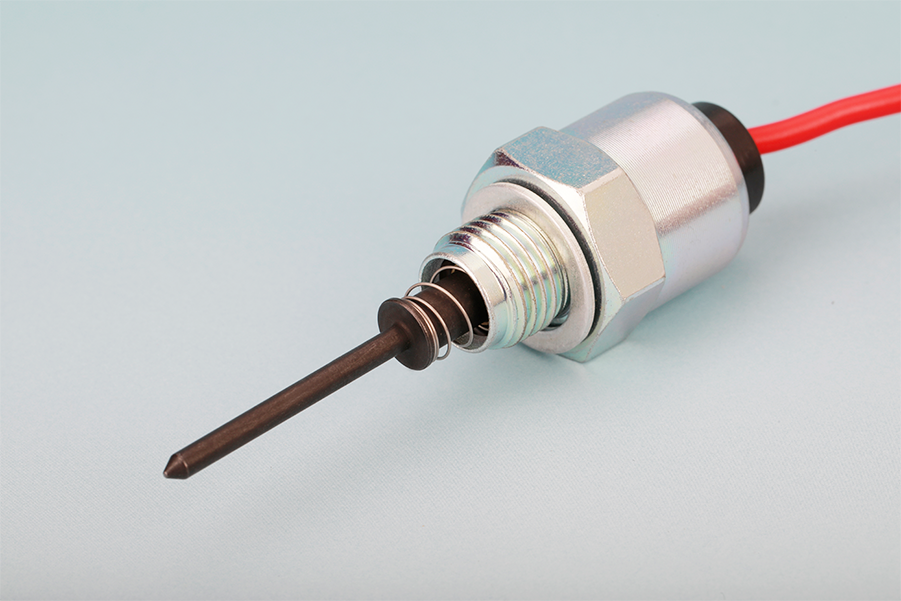
The carburetor solenoid plays a pivotal role in regulating fuel flow to your lawn mower's engine. It acts as an electromagnetic switch that opens and closes depending on the engine's requirements. When activated, the solenoid allows fuel to flow from the carburetor to the engine, ensuring optimal performance. Understanding its function is crucial for effective testing and troubleshooting.
The Mechanism of Action
In simple terms, when you start your lawn mower, the ignition system sends a signal to the carburetor solenoid, prompting it to open and allow fuel to enter the engine. If the solenoid fails, it can lead to fuel starvation, resulting in engine stalling or failure to start. Recognizing this mechanism can help you identify issues quickly.
2. Signs of a Faulty Carburetor Solenoid
Before diving into testing, it’s essential to recognize the signs indicating that your carburetor solenoid may be malfunctioning. Here are some common symptoms:
Engine Won't Start
If your mower's engine won't start, it could be due to a faulty solenoid that's not allowing fuel to flow. This is often the first indication of a problem.
Engine Stalling
If the engine starts but stalls shortly after, it may indicate that the solenoid is failing to maintain a consistent fuel supply.
Poor Acceleration
Difficulty in acceleration or a sluggish response can also be a sign that the solenoid isn’t functioning correctly, leading to inconsistent fuel delivery.
3. Necessary Tools and Equipment for Testing
Before beginning your testing procedure, it’s crucial to gather the necessary tools. Here’s what you’ll need:
- Multimeter: For measuring electrical connections and resistance.
- Screwdriver Set: To remove the solenoid from the mower.
- Wrench Set: For securing and loosening bolts.
- Fuel Line Cleaning Tool: To ensure fuel lines are clear and unobstructed.
- Safety Gear: Gloves and goggles to protect against any debris or fuel spills.
4. Step-by-Step Guide to Testing Your Carburetor Solenoid
Now that you have the necessary tools, let’s walk through the steps to test your lawn mower carburetor solenoid effectively.
Step 1: Safety First
Ensure that the mower is turned off and disconnected from the power source. It’s vital to prioritize safety before beginning any maintenance task.
Step 2: Locate the Carburetor Solenoid
Refer to your lawn mower’s manual to locate the carburetor solenoid. Typically, it is situated on the carburetor assembly.
Step 3: Inspect the Solenoid
Before testing, visually inspect the solenoid for any signs of physical damage such as cracks or corrosion. If you see any, it may need replacement.
Step 4: Disconnect the Solenoid
Using your screwdriver and wrench, carefully disconnect the solenoid from the carburetor. Make sure to note the wiring connections for reassembly.
Step 5: Use the Multimeter
Set your multimeter to the resistance setting. Connect the probes to the solenoid terminals. A functional solenoid should show a resistance reading within the manufacturer's specified range (typically between 10 to 20 ohms). If the reading is infinite, the solenoid is faulty and requires replacement.
Step 6: Test for Voltage
With the solenoid still disconnected, turn your mower to the “start” position, but don’t start the engine. Measure the voltage at the solenoid connection. You should see a voltage reading. If there is no voltage, the issue may lie in the ignition system or wiring.
Step 7: Reassemble and Test
If the solenoid passes the tests, reassemble everything, ensuring all connections are secure. Start your mower to see if it operates smoothly.
5. Common Issues and Troubleshooting
Even after testing, you might encounter persistent problems. Here are some common issues and troubleshooting tips:
Electrical Issues
If your multimeter indicated no voltage, check the ignition switch, battery, and wiring for any breaks or corrosion. A thorough inspection may reveal the root cause.
Fuel Flow Problems
If the solenoid is functioning but fuel flow is inconsistent, inspect the fuel lines for blockages or leaks. A clogged line can prevent adequate fuel delivery.
Environmental Factors
Sometimes, environmental factors such as dirt or debris can affect solenoid performance. Regular cleaning of the carburetor area can prevent these issues.
6. Maintaining Your Carburetor Solenoid
To prolong the life of your carburetor solenoid, regular maintenance is crucial. Here are some maintenance tips:
Regular Cleaning
Periodically clean the solenoid and surrounding components to prevent buildup. Use a gentle degreaser and a soft brush to avoid damaging parts.
Inspect Wiring Connections
Regularly check the wiring for signs of wear or corrosion. Replacing damaged wires can prevent issues before they arise.
Fuel Quality
Always use high-quality fuel to minimize deposits in your carburetor and solenoid. Poor fuel quality can lead to frequent clogging and malfunctions.
7. When to Consult a Professional
If you've followed the testing steps and still experience issues, it may be time to consult a professional. A qualified technician can provide a detailed diagnosis and perform repairs that require specialized knowledge or tools.
8. Conclusion
Understanding how to test your lawn mower carburetor solenoid effectively is vital for optimal machine performance. By following the steps outlined in this guide, you can diagnose issues, perform necessary repairs, and maintain your mower for years of reliable service. Regular upkeep and attention to the carburetor solenoid will ensure your lawn mower functions at its best, allowing you to achieve that pristine lawn you desire.
9. FAQs
1. How often should I test my carburetor solenoid?
It’s advisable to test your carburetor solenoid annually or whenever you notice performance issues with your lawn mower.
2. Can I replace the solenoid myself?
Yes, replacing the solenoid is typically a straightforward process that you can do yourself with basic tools and following safety precautions.
3. What if my mower still won't start after replacing the solenoid?
If the mower does not start after replacing the solenoid, further investigation into the ignition system or fuel delivery may be necessary.
4. How can I prevent solenoid issues in the future?
Regular maintenance, using high-quality fuel, and cleaning the components will help prevent issues with the solenoid.
5. Can a faulty solenoid cause engine damage?
Yes, a faulty solenoid can lead to inadequate fuel flow, which may cause engine stalling and damage over time if not addressed.