
NEWS CENTER
Mikuni Carburetor Solenoid Maintenance: Expert Tips for Longevity
Release Time:
Apr 04,2026
Mikuni Carburetor Solenoid Maintenance: Expert Tips for Longevity Table of Contents Understanding the Mikuni Carburetor Solenoid Importance of Solenoid Maintenance Common Issues with Mikuni Solenoids Essential Tools for Maintenance Step-by-Step Maintenance Guide Preventive Measures to Extend Lifespan When to Replace Your Solenoid Frequently Asked Questions Underst
Mikuni Carburetor Solenoid Maintenance: Expert Tips for Longevity
Table of Contents
- Understanding the Mikuni Carburetor Solenoid
- Importance of Solenoid Maintenance
- Common Issues with Mikuni Solenoids
- Essential Tools for Maintenance
- Step-by-Step Maintenance Guide
- Preventive Measures to Extend Lifespan
- When to Replace Your Solenoid
- Frequently Asked Questions
Understanding the Mikuni Carburetor Solenoid
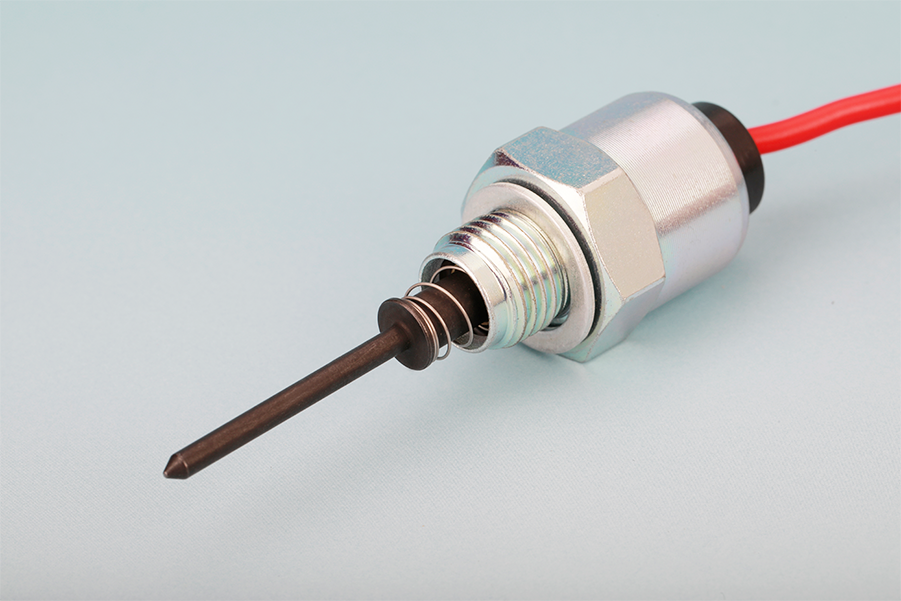
The Mikuni carburetor solenoid plays a pivotal role in managing fuel delivery in various motorcycle and automotive applications. This electrical component controls the flow of fuel into the carburetor by utilizing a magnetic field to open and close the fuel pathway. Given its critical function, understanding how it works and how to maintain it is essential for enthusiasts and professionals alike.
How the Solenoid Works
The solenoid operates on a simple principle: when electrical current passes through its coil, it creates a magnetic field. This magnetic field attracts a movable armature, which opens or closes the valve connected to the fuel line. When the solenoid is activated, fuel is allowed to flow into the carburetor, ensuring optimal engine performance.
Importance of Solenoid Maintenance
Regular maintenance of the Mikuni carburetor solenoid is crucial for several reasons:
1. **Ensures Engine Efficiency**: A well-maintained solenoid ensures that the correct amount of fuel reaches the engine, promoting efficient combustion and optimal performance.
2. **Prevents Costly Repairs**: Neglecting solenoid maintenance can lead to more significant issues, such as fuel leaks or engine stalling, resulting in expensive repairs.
3. **Extends Component Lifespan**: Proper care and maintenance can significantly prolong the lifespan of the solenoid, saving you time and money in the long run.
Common Issues with Mikuni Solenoids
Understanding potential problems is the first step in effective maintenance. Here are some common issues associated with Mikuni carburetor solenoids:
Fuel Leaks
Fuel leaks can occur due to wear and tear on seals or improper installation. It is vital to regularly inspect the solenoid for any signs of leakage.
Electrical Failures
If the solenoid does not activate, it may be due to electrical issues, such as a blown fuse or damaged wiring. Regular checks can help identify and rectify these problems early.
Clogged Fuel Lines
Debris and dirt can accumulate in fuel lines, leading to reduced fuel flow. Regular cleaning and inspections can prevent this issue.
Essential Tools for Maintenance
To perform effective maintenance on your Mikuni carburetor solenoid, you will need the following tools:
1. **Screwdrivers**: Various sizes to remove screws and components.
2. **Wrench Set**: For loosening and tightening connections.
3. **Multimeter**: To check the electrical integrity of the solenoid.
4. **Cleaning Supplies**: Such as carburetor cleaner and a soft brush for cleaning components.
5. **Replacement Parts**: Keep essential replacement parts on hand, including gaskets and O-rings.
Step-by-Step Maintenance Guide
Here is a comprehensive step-by-step guide to maintaining your Mikuni carburetor solenoid effectively:
Step 1: Disconnect the Battery
Before starting any maintenance work, ensure your vehicle's battery is disconnected to prevent electrical shorts or shocks.
Step 2: Remove the Solenoid
Carefully remove the solenoid from the carburetor. Take note of the orientation and position of the wiring and connections for reinstallation.
Step 3: Inspect for Damage
Thoroughly inspect the solenoid for any signs of damage or wear. Check the wiring, connectors, and casing for cracks or corrosion.
Step 4: Clean the Component
Using carburetor cleaner and a soft brush, carefully clean the exterior and the interior of the solenoid to remove any debris or buildup.
Step 5: Test Electrical Functionality
Utilize a multimeter to test the solenoid's electrical functionality. Check for continuity and ensure the coil has the proper resistance.
Step 6: Reassemble the Solenoid
Once cleaned and inspected, reassemble the solenoid, ensuring all connections are secure and correctly oriented.
Step 7: Reinstall and Test
Reinstall the solenoid onto the carburetor, reconnect the battery, and perform a test run to ensure proper operation.
Preventive Measures to Extend Lifespan
Implementing preventive measures can significantly enhance the longevity of your Mikuni carburetor solenoid:
1. **Regular Inspections**: Schedule periodic checks to identify potential issues early.
2. **Fuel Quality**: Use high-quality fuel to minimize deposits and prevent clogging.
3. **Proper Installation**: Ensure the solenoid is installed correctly to prevent undue stress and damage.
4. **Electrical Connections**: Regularly check and clean electrical connections to avoid corrosion.
When to Replace Your Solenoid
Despite diligent maintenance, there may come a time when you need to replace your Mikuni carburetor solenoid. Consider replacement if:
1. **Persistent Leaks**: If leaks cannot be resolved through repairs.
2. **Inconsistent Performance**: If the solenoid frequently fails to activate or causes engine performance issues despite maintenance.
3. **Physical Damage**: Any visible signs of cracks, corrosion, or electrical issues may warrant replacement.
Frequently Asked Questions
1. How often should I maintain my Mikuni carburetor solenoid?
We recommend performing maintenance at least once a season or every 5,000 miles to ensure optimal performance.
2. What types of fuel should I use?
Always use high-quality fuel that meets manufacturer specifications to prevent carbon buildup and operational issues.
3. Can I clean my solenoid without removing it?
While some cleaning can be done in place, it is best to remove the solenoid for a thorough cleaning and inspection.
4. How can I tell if my solenoid is faulty?
Signs of a faulty solenoid include fuel leaks, failure to activate, and inconsistent engine performance.
5. Are there aftermarket solenoids available for Mikuni carburetors?
Yes, there are aftermarket solenoids available; however, ensure they meet the specifications required for your specific Mikuni model.
Conclusion
Maintaining your Mikuni carburetor solenoid is essential for ensuring optimal engine performance and longevity. By following the valuable tips and guidelines outlined in this article, you can confidently extend the lifespan of your solenoid and avoid costly repairs. Regular inspections, proper cleaning, and prompt replacement when necessary will keep your vehicle running smoothly, allowing you to enjoy every ride. Take charge of your maintenance routine today and ensure your Mikuni carburetor solenoid remains in top condition for years to come.