
NEWS CENTER
The Art and Science of Precision Parts Processing: Unlocking Quality in Manufacturing
Release Time:
Mar 26,2026
Precision parts processing is a critical aspect of the manufacturing industry, especially within mechanical hardware and component fabrication. It involves the intricate methods and technologies used to create parts with exceptionally high accuracy and tight tolerances. This process is essential for industries such as aerospace, automotive, and medical devices, where the reliability and functional
Precision parts processing is a critical aspect of the manufacturing industry, especially within mechanical hardware and component fabrication. It involves the intricate methods and technologies used to create parts with exceptionally high accuracy and tight tolerances. This process is essential for industries such as aerospace, automotive, and medical devices, where the reliability and functionality of components are paramount.
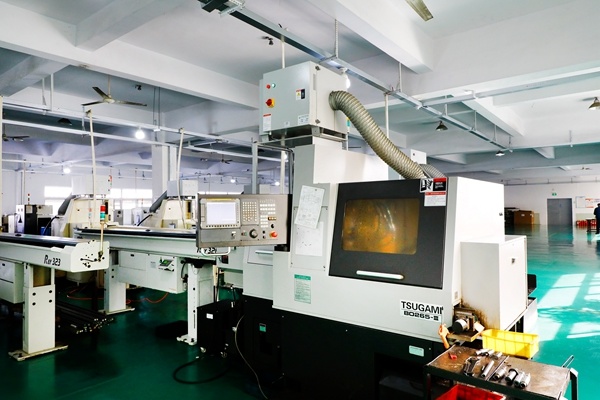
The fundamental goal of precision parts processing is to achieve exact specifications, which often requires advanced machinery and tooling. Techniques such as CNC (Computer Numerical Control) machining, electrical discharge machining (EDM), and laser cutting are commonly employed to produce components with precision tolerances often measured in microns. These technologies allow for complex geometries and intricate designs that traditional manufacturing methods might struggle to achieve.
One significant advantage of precision parts processing is its ability to enhance product quality. With higher accuracy comes improved performance, reduced wear and tear, and longer lifespan of the final products. This is particularly important in applications where safety and reliability are critical. For instance, in the aerospace industry, a small error in a component can have catastrophic consequences, making precision machining indispensable.
Additionally, precision parts processing contributes to cost efficiency. Although the initial investment in precision machinery and software can be high, the long-term savings are often substantial. Higher precision leads to less material waste, fewer defective parts, and reduced assembly times, ultimately driving down production costs. This economic aspect makes it a preferred choice among manufacturers aiming to optimize their operations.
Moreover, the landscape of precision parts processing is continually evolving. The integration of technologies such as 3D printing, Internet of Things (IoT), and artificial intelligence is transforming the industry. These innovations allow for enhanced design capabilities, real-time monitoring of processes, and predictive maintenance, further improving efficiency and precision.
In conclusion, precision parts processing is more than just a manufacturing technique; it is a vital component of modern engineering that ensures quality and efficiency. As industries continue to demand higher standards, understanding and implementing precision machining practices will be crucial for businesses looking to stay competitive. By embracing the latest technological advancements and honing traditional machining skills, manufacturers can unlock new possibilities in producing high-quality components that meet the stringent demands of today's market.
The fundamental goal of precision parts processing is to achieve exact specifications, which often requires advanced machinery and tooling. Techniques such as CNC (Computer Numerical Control) machining, electrical discharge machining (EDM), and laser cutting are commonly employed to produce components with precision tolerances often measured in microns. These technologies allow for complex geometries and intricate designs that traditional manufacturing methods might struggle to achieve.
One significant advantage of precision parts processing is its ability to enhance product quality. With higher accuracy comes improved performance, reduced wear and tear, and longer lifespan of the final products. This is particularly important in applications where safety and reliability are critical. For instance, in the aerospace industry, a small error in a component can have catastrophic consequences, making precision machining indispensable.
Additionally, precision parts processing contributes to cost efficiency. Although the initial investment in precision machinery and software can be high, the long-term savings are often substantial. Higher precision leads to less material waste, fewer defective parts, and reduced assembly times, ultimately driving down production costs. This economic aspect makes it a preferred choice among manufacturers aiming to optimize their operations.
Moreover, the landscape of precision parts processing is continually evolving. The integration of technologies such as 3D printing, Internet of Things (IoT), and artificial intelligence is transforming the industry. These innovations allow for enhanced design capabilities, real-time monitoring of processes, and predictive maintenance, further improving efficiency and precision.
In conclusion, precision parts processing is more than just a manufacturing technique; it is a vital component of modern engineering that ensures quality and efficiency. As industries continue to demand higher standards, understanding and implementing precision machining practices will be crucial for businesses looking to stay competitive. By embracing the latest technological advancements and honing traditional machining skills, manufacturers can unlock new possibilities in producing high-quality components that meet the stringent demands of today's market.
Related content